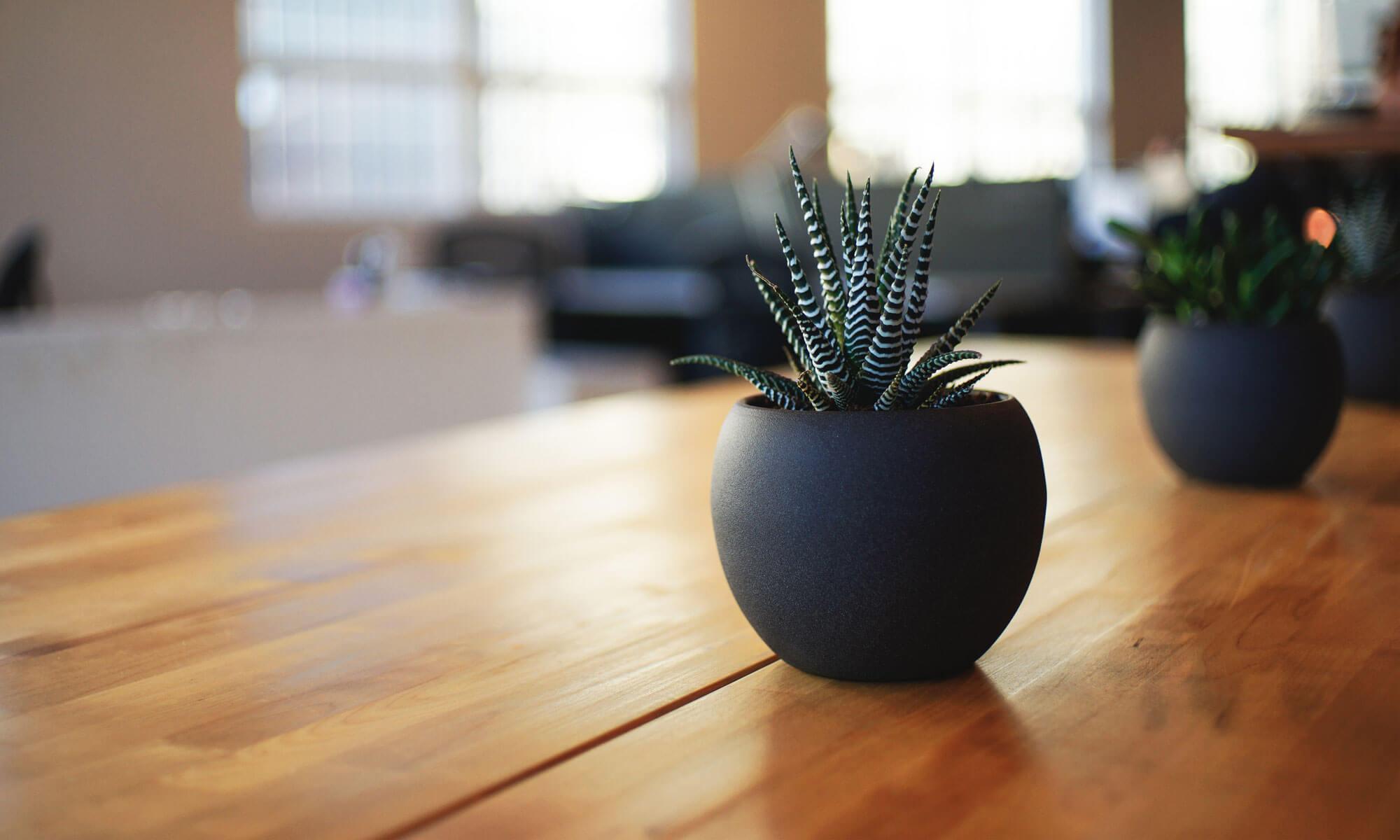
- Creative design solutions with pavilion88 for inspired modern living spaces
- The Art of Curated Interiors
- Material Selection and Sustainability
- The Role of Lighting in Modern Design
- Smart Lighting Solutions
- Space Planning and Functional Layouts
- Ergonomic Considerations
- The Influence of Color Palettes on Mood and Ambiance
- Beyond Aesthetics: Creating Holistic Living Experiences
Creative design solutions with pavilion88 for inspired modern living spaces
The pursuit of a beautifully designed living space is universal, and increasingly, homeowners and designers are turning to specialized firms to bring their visions to life. Among these, pavilion88 stands out as a provider of unique and inspiring design solutions. This company has rapidly gained recognition for its commitment to quality, innovation, and a keen understanding of modern aesthetics. They don't simply offer products; they curate experiences, transforming houses into homes that reflect the personalities and lifestyles of their inhabitants. Their work spans a wide range of styles, ensuring there's something to appeal to diverse tastes.
Creating a modern living space isn’t just about aesthetics; it’s about functionality, comfort, and creating an environment that supports well-being. It’s about considering how the space will be used, who will be using it, and how to maximize its potential. A successful design integrates seamlessly with the surrounding architecture and landscape, creating a harmonious and inviting atmosphere. Design firms like this understand the importance of detail, from the selection of materials to the placement of furniture, ensuring that every element contributes to the overall aesthetic and functional appeal.
The Art of Curated Interiors
Interior design, at its core, is about storytelling. It’s about crafting a narrative within a space that reflects the values, interests, and aspirations of those who inhabit it. A well-designed interior speaks volumes without uttering a single word, conveying a sense of personality, warmth, and sophistication. The professionals at a firm like pavilion88 excel at understanding this nuanced language of design, translating client visions into tangible realities. They are skilled at layering textures, colors, and patterns to create visual interest and depth, while simultaneously ensuring a cohesive and harmonious flow throughout the space. Furthermore, they understand the psychology of color and lighting, utilizing these elements to evoke specific moods and enhance the overall atmosphere.
Material Selection and Sustainability
The choice of materials is paramount in any interior design project. Not only do materials contribute significantly to the aesthetic appeal of a space, but they also impact its durability, functionality, and environmental footprint. Increasingly, clients are prioritizing sustainability, seeking out materials that are ethically sourced, environmentally friendly, and long-lasting. Designers are responding to this demand by incorporating recycled materials, natural fibers, and low-VOC finishes into their projects. This commitment to sustainability not only benefits the environment but also creates healthier and more comfortable living spaces. The consideration extends beyond the materials themselves to include the manufacturing processes and transportation methods, aiming to minimize the overall carbon footprint.
| Bamboo Flooring | Excellent | $6 – $12 | Living Rooms, Bedrooms |
| Reclaimed Wood | Excellent | $8 – $20 | Feature Walls, Furniture |
| Linoleum (Natural) | Good | $4 – $8 | Kitchens, Bathrooms |
| Recycled Glass Tiles | Good | $5 – $15 | Backsplashes, Showers |
A thoughtful focus on material selection, as implemented by firms like pavilion88, elevates a design from aesthetically pleasing to genuinely responsible and long-lasting.
The Role of Lighting in Modern Design
Lighting is often considered the ‘fifth wall’ in interior design, and for good reason. It has the power to dramatically alter the mood and atmosphere of a space, highlight architectural features, and create a sense of depth and dimension. Modern lighting design goes beyond simply illuminating a room; it's about creating layers of light that work together to achieve a desired effect. This includes ambient lighting, which provides overall illumination; task lighting, which is focused on specific areas for activities like reading or cooking; and accent lighting, which is used to highlight artwork or architectural details. Effective lighting design also considers the color temperature of the light, with warmer tones creating a cozy and inviting atmosphere and cooler tones promoting alertness and focus.
Smart Lighting Solutions
The advent of smart lighting technology has revolutionized the way we think about and interact with light. Smart lighting systems allow users to control the intensity, color, and timing of their lights remotely, using smartphones or voice assistants. This offers unparalleled convenience and flexibility, allowing users to customize their lighting schemes to suit their specific needs and preferences. Furthermore, smart lighting systems can be programmed to automatically adjust based on time of day, occupancy, or even weather conditions, enhancing energy efficiency and security. These systems are becoming increasingly popular in modern homes, offering a seamless blend of technology and design.
- Energy Efficiency: Smart lights often use LED bulbs, consuming significantly less energy than traditional bulbs.
- Customization: Adjust brightness, color, and create customized scenes for various activities.
- Remote Control: Control lights from anywhere using a smartphone or voice assistant.
- Security: Simulate occupancy while away to deter potential intruders.
Integrating these smart solutions into interior design projects, as seen with pavilion88’s innovative approaches, allows for a truly personalized and efficient living experience.
Space Planning and Functional Layouts
Even the most beautiful materials and exquisite furnishings will fall flat if a space isn't properly planned and laid out. Space planning is the art of optimizing the use of available space to create a functional and comfortable environment. This involves considering the flow of traffic, the placement of furniture, and the relationship between different zones within a space. A well-planned layout will maximize the use of natural light, promote a sense of openness, and facilitate easy movement throughout the home. It's crucial to consider the specific needs and lifestyles of the occupants when developing a space plan, ensuring that the design supports their daily routines and activities.
Ergonomic Considerations
Ergonomics plays a vital role in creating a comfortable and functional space. Ergonomic design focuses on optimizing the interaction between people and their environment, ensuring that furniture and fixtures are designed to support good posture, reduce strain, and promote overall well-being. This is particularly important in spaces where people spend extended periods of time, such as home offices or living rooms. For example, selecting chairs with adequate lumbar support, positioning computer screens at the correct height, and providing sufficient legroom can all contribute to a more comfortable and productive work environment. Paying attention to these details can make a significant difference in the overall quality of life.
- Analyze existing space limitations.
- Identify primary functions of each area.
- Create a furniture layout that optimizes flow.
- Consider ergonomic principles for comfort and health.
- Refine the plan based on client feedback.
The meticulous attention to spatial arrangements, often showcased in the projects by pavilion88, contributes to a harmonious and practical living environment.
The Influence of Color Palettes on Mood and Ambiance
Color has a profound impact on our emotions and perceptions. Different colors evoke different feelings, and the careful selection of a color palette can dramatically alter the mood and ambiance of a space. Warm colors, such as reds, oranges, and yellows, tend to create a sense of energy, warmth, and excitement, while cool colors, such as blues, greens, and purples, are often associated with calmness, serenity, and relaxation. Neutral colors, such as whites, grays, and beiges, provide a versatile backdrop that can be used to create a variety of moods and styles. When choosing a color palette, it's important to consider the intended function of the space, the natural light available, and the personal preferences of the occupants.
A successful color scheme will not only be visually appealing but also create a harmonious and balanced atmosphere that supports the desired mood and activities. For example, a bedroom might benefit from a calming palette of blues and greens, while a dining room could be energized with warmer tones like reds and oranges. Understanding the psychological effects of color is crucial for creating spaces that are both beautiful and functional.
Beyond Aesthetics: Creating Holistic Living Experiences
Today's design trends are shifting towards a more holistic approach, recognizing that a truly exceptional living space goes beyond mere aesthetics. It’s about creating an environment that nurtures well-being, supports creativity, and fosters a sense of connection to nature. This includes incorporating elements of biophilic design, such as bringing in natural light, using natural materials, and incorporating plants and greenery into the interior. It also involves considering the acoustic qualities of the space, minimizing noise pollution, and creating a peaceful and relaxing atmosphere. Furthermore, integrating technology seamlessly into the design, providing smart home automation features that enhance convenience and functionality, is increasingly important.
The influence of firms like pavilion88 isn’t simply applying a style, but curating an entire lifestyle. This means understanding the client's values, habits, and aspirations, and translating them into a living space that truly reflects who they are and how they want to live. This approach goes beyond simply decorating a room; it’s about creating a sanctuary, a place of refuge, and a source of inspiration. It’s about designing spaces that enhance our quality of life and allow us to thrive.